A 2 t/h double roller fertilizer granulator helps a small NPK plant form powder into dense granules without a drying stage. The machine uses two rollers to press urea, ammonium sulfate, potassium chloride, and phosphate powder into compacted sheets, then breaks the sheets into uniform particles. Your team can run several units together when the market requires higher output. This dry route keeps the fertilizer production line compact and lowers energy use.
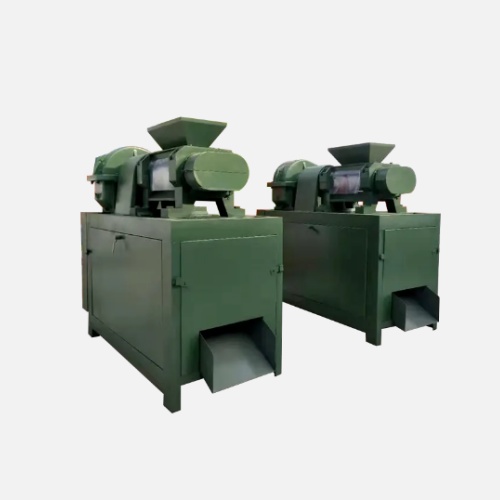
2 t/h double roller fertilizer granulator
How does a 2 t/h double roller fertilizer granulator reduce production cost for a small NPK plant?
The dry granulation process removes the need for a dryer and a cooler, so your plant saves energy and floor space. A single granulator can produce about 1.5 to 2.5 tons per hour, and plant owners can operate several machines together for a larger line. Wear-resistant roller skins reduce the frequency of roller replacement and keep maintenance costs predictable. Because the equipment works at normal temperature, your workers can package the granules soon after they leave the screen. This design helps a 2 t/h double roller fertilizer granulator system keep both operating and engineering costs within a manageable range.
How does the double roller granulator form uniform granules from NPK powder?
The feed hopper sends powder between two counter-rotating rollers, and the rollers press the material into a dense sheet. A crushing module then breaks the sheet into pieces, and a screen separates the target particle size from fine powder. The fine material returns to the feed, so your plant wastes less raw material. The finished granules have an oblate shape and a consistent size range that suits blending and packaging. This fertilizer extrusion technology gives a 2 t/h double roller fertilizer granulator line a continuous path from raw powder to finished granules.
Which supporting machines complete a small NPK fertilizer manufacturing system?
You can connect a crusher, a mixer, a bucket elevator, a screening machine, and a packaging machine to the granulator. The crusher prepares lumpy raw material, and the mixer blends the NPK components before they enter the hopper. A bucket elevator moves the powder without spilling it, while the screen returns fine particles to the feed. The packaging machine fills bags at a steady rate and keeps the final product ready for storage. This arrangement gives your fertilizer machinery a complete flow for a small or medium plant. You can also review organic fertilizer extrusion technology to compare a dry granulation line in a working installation.
How can plant owners evaluate fertilizer production budget without relying on vague estimates?
You can compare roller size, motor power, output per hour, and the number of machines required for your target capacity. A clear equipment list helps your team estimate labor, power, and spare parts before the project begins. You can also plan expansion by adding more granulators in parallel instead of changing the whole building. For background on organic nutrient sources, you can read the organic fertilizer reference. A fertilizer machinery manufacturer can provide process drawings and machine specifications that fit your site and daily output.
Yushunxin supplies double roller granulators and supporting equipment for NPK and compound fertilizer production. If your team has interest in the machine, you can learn more about https://www.extruder-granulator.com/product/2t-h-double-roller-fertilizer-granulator.
