How Do You Evaluate an Electric Roller Press Machine Factory?

Plant owners and project investors often evaluate electric roller press machine factory system before they plan a fertilizer processing plant. chicken manure, crop straw, humic acid, sewage sludge move through double-roll extruder, crusher, rotary dryer in a complete fertilizer extrusion line. When you select this equipment, you review capacity, material condition, and plant layout. This evaluation helps you control investment and keep production stable.

electric roller press machine factory

electric roller press machine factory

How does a electric roller press machine factory line support chicken manure processing?

A electric roller press machine factory line supports chicken manure processing by connecting the main machine with feeding, mixing, and screening. You can prepare chicken manure, crop straw, humic acid, sewage sludge before the machine starts. A double-roll extruder and a crusher help control material flow, while a rotary dryer protects product quality. This layout keeps the fertilizer processing plant stable and reduces manual transfer. You can also compare this process with standard fertilizer manufacturing system principles when you design the line. This preparation improves the fertilizer machinery and keeps the fertilizer equipment balanced. This setup also simplifies maintenance and reduces unexpected stops.

Why does a organic fertilizer production solution 1 suit continuous fertilizer production?

A organic fertilizer production solution 1 suits continuous fertilizer production because it handles chicken manure, crop straw, humic acid, sewage sludge in a steady flow. You can arrange the equipment so the material moves from intake to packing without long stops. The double-roll extruder feeds the next stage at a stable rate, and the crusher forms the product into a uniform shape. This coordination reduces bottlenecks and keeps the fertilizer extrusion line efficient. You can also add a rotary dryer to return off-size material for rework, which lowers waste and improves product consistency. The steady output supports daily packing and dispatch targets.

Which organic fertilizer extrusion technology factors should you review before selection?

organic fertilizer extrusion technology helps you choose the right equipment for chicken manure, crop straw, humic acid, sewage sludge. You can review moisture, particle size, capacity, and plant space before you order. A clear process flow reduces transfer points and protects the fertilizer equipment. This comparison also helps you balance fertilizer machinery with long-term operating cost. You can then match the selected machine to the fertilizer manufacturing system and keep the fertilizer processing plant running smoothly. This review helps you avoid buying oversized or undersized fertilizer machinery.

How can producers compare organic fertilizer standards for this fertilizer manufacturing process?

You can compare the general process described under organic fertilizer when you set the product standard and material specification. This reference helps you understand why moisture and particle size matter for chicken manure, crop straw, humic acid, sewage sludge. You can also adjust the double-roll extruder and the crusher according to the target output. This control supports the fertilizer extrusion line and keeps the fertilizer processing plant consistent during peak production. This preparation also supports repeat product quality across production batches.

To summarize, how do you evaluate an electric roller press machine factory depends on material condition, equipment scope, and production capacity. You can match each machine to the required output and product form. A reliable fertilizer machinery manufacturer can supply the complete fertilizer manufacturing system. Yushunxin provides this fertilizer production equipment. If you have interests, you can learn more about https://www.extruder-granulator.com/electric-roller-press-machine
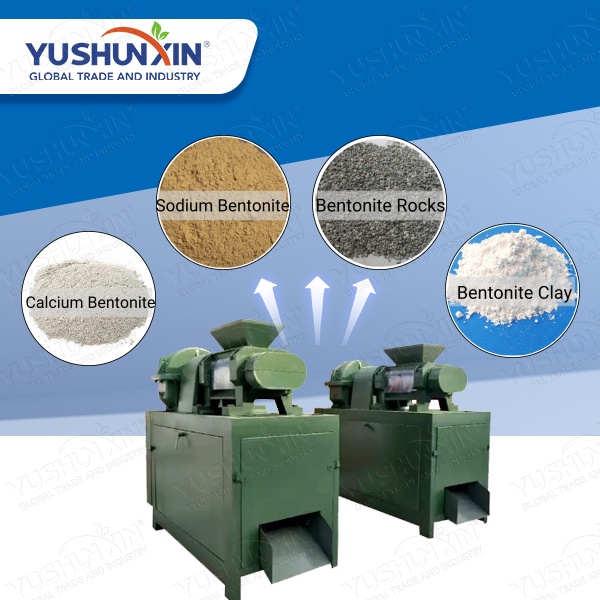
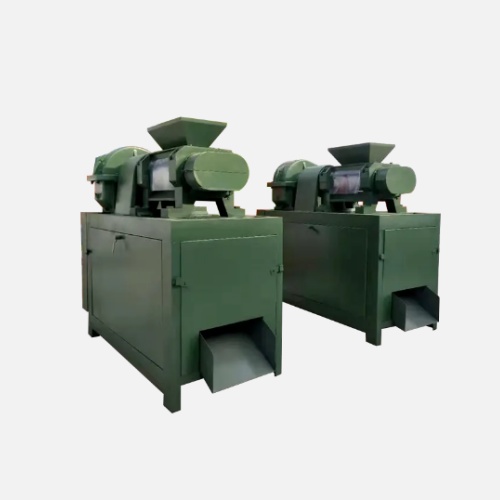
How Do You Turn Bentonite Powder Into Uniform Granules and Prepare Them for Packing?

Bentonite processors often choose bentonite granules as a uniform form for foundry sand, drilling mud, cat litter, and fertilizer additives. A double roller extrusion granulator presses the powder between two rollers and forms compact pellets without a steam dryer. You can prepare the powder through crushing, mixing, extrusion, screening, and packing in one fertilizer manufacturing system. When you produce bentonite granules, you evaluate feed fineness, moisture, roller pressure, and granule strength.

bentonite granules

bentonite granules

Which moisture range helps bentonite granules form without sticking or crumbling?

A controlled moisture range helps bentonite granules system form without sticking or crumbling. Bentonite powder that is too dry creates dust and weak pellets, while powder that is too wet produces soft granules. You can add water in the mixer before the roller press or add dry material when the feedstock is too moist. A horizontal mixer distributes the moisture evenly, so the extrusion process stays stable. This step protects the fertilizer machinery and improves the fertilizer manufacturing process.

How does a bentonite granules line turn powder into pellets and prepare them for packing?

A bentonite granules line turns powder into pellets by feeding the material between two rotating rollers, which compress it into dense sheets or shaped granules. You can then screen the product and send oversized material back to the crusher. Organic fertilizer extrusion technology follows the same dry pressing principle, so the layout stays simple and does not require a large drying section. The finished bentonite granules move to a packing machine for bags or bulk containers.

Which crusher and mixer preparation improve bentonite granule uniformity?

A chain crusher and a horizontal mixer improve bentonite granule uniformity before the roller press. You can crush hard bentonite lumps to a small size, then mix the powder with water or a binder until the material reaches a consistent state. The roller press then applies even pressure and forms pellets with a stable shape. You can compare these preparation steps with the general principles of organic fertilizer processing when you plan a low-moisture granulation line. This sequence supports continuous fertilizer extrusion line operation.

Which packing options suit bentonite granules after screening?

After screening, bentonite granules can move to a single-bucket packing scale for small batches or a full automatic packing line for high output. You can choose bag sizes according to the customer requirement and seal the packages for storage. A rotary dryer can remove residual moisture when the granules need a lower final water level. This packing stage keeps the fertilizer processing plant efficient and reduces manual transfer.

To summarize, bentonite powder becomes uniform granules through crushing, mixing, dry roller pressing, screening, and packing. This dry method also reduces water use and shortens the material path before final packaging. You can match the roller press and packing machine to the required output and moisture level. A fertilizer machinery manufacturer can help you configure the bentonite granulation system. Yushunxin provides this bentonite granulation equipment for powder processors. If you have interests, you can learn more about https://www.extruder-granulator.com/product/bentonite-granulator

How Much Does a 2 T/H Double Roller Fertilizer Granulator Cost for a Small NPK Plant?

A 2 t/h double roller fertilizer granulator helps a small NPK plant form powder into dense granules without a drying stage. The machine uses two rollers to press urea, ammonium sulfate, potassium chloride, and phosphate powder into compacted sheets, then breaks the sheets into uniform particles. Your team can run several units together when the market requires higher output. This dry route keeps the fertilizer production line compact and lowers energy use.

2 t/h double roller fertilizer granulator

2 t/h double roller fertilizer granulator

How does a 2 t/h double roller fertilizer granulator reduce production cost for a small NPK plant?

The dry granulation process removes the need for a dryer and a cooler, so your plant saves energy and floor space. A single granulator can produce about 1.5 to 2.5 tons per hour, and plant owners can operate several machines together for a larger line. Wear-resistant roller skins reduce the frequency of roller replacement and keep maintenance costs predictable. Because the equipment works at normal temperature, your workers can package the granules soon after they leave the screen. This design helps a 2 t/h double roller fertilizer granulator system keep both operating and engineering costs within a manageable range.

How does the double roller granulator form uniform granules from NPK powder?

The feed hopper sends powder between two counter-rotating rollers, and the rollers press the material into a dense sheet. A crushing module then breaks the sheet into pieces, and a screen separates the target particle size from fine powder. The fine material returns to the feed, so your plant wastes less raw material. The finished granules have an oblate shape and a consistent size range that suits blending and packaging. This fertilizer extrusion technology gives a 2 t/h double roller fertilizer granulator line a continuous path from raw powder to finished granules.

Which supporting machines complete a small NPK fertilizer manufacturing system?

You can connect a crusher, a mixer, a bucket elevator, a screening machine, and a packaging machine to the granulator. The crusher prepares lumpy raw material, and the mixer blends the NPK components before they enter the hopper. A bucket elevator moves the powder without spilling it, while the screen returns fine particles to the feed. The packaging machine fills bags at a steady rate and keeps the final product ready for storage. This arrangement gives your fertilizer machinery a complete flow for a small or medium plant. You can also review organic fertilizer extrusion technology to compare a dry granulation line in a working installation.

How can plant owners evaluate fertilizer production budget without relying on vague estimates?

You can compare roller size, motor power, output per hour, and the number of machines required for your target capacity. A clear equipment list helps your team estimate labor, power, and spare parts before the project begins. You can also plan expansion by adding more granulators in parallel instead of changing the whole building. For background on organic nutrient sources, you can read the organic fertilizer reference. A fertilizer machinery manufacturer can provide process drawings and machine specifications that fit your site and daily output.

Yushunxin supplies double roller granulators and supporting equipment for NPK and compound fertilizer production. If your team has interest in the machine, you can learn more about https://www.extruder-granulator.com/product/2t-h-double-roller-fertilizer-granulator.