How Can a Factory Optimize a Leafy Vegetables Cutting Machine to Improve Finished Product Quality?

A salad factory or a fresh-cut vegetable plant that runs a leafy cutting machine finds that finished quality follows the blade, the belt speed, and the cleaning routine more than the machine name. The leafy vegetables cutting machine for finished product quality slices, shreds, or chops washed greens, and a few operating choices keep the cut clean and uniform. This article explains how a factory optimizes the cutter to protect food preparation quality.
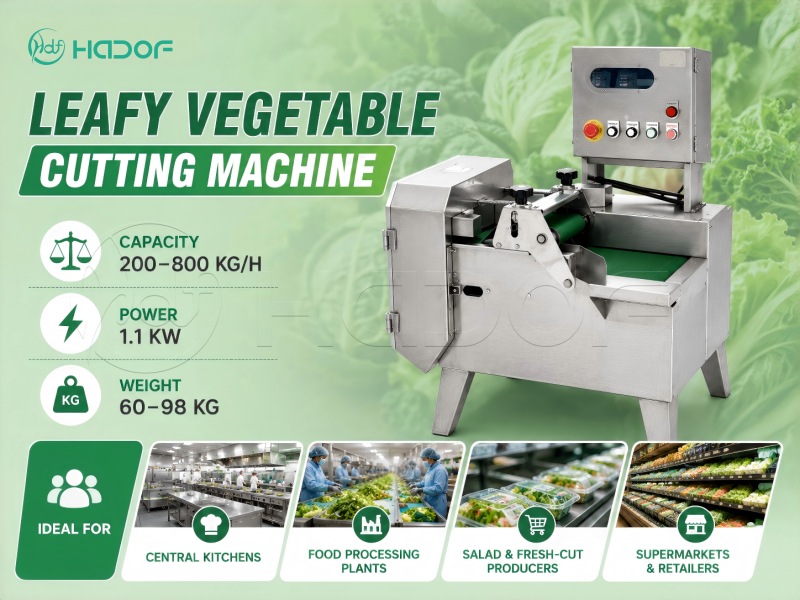
leafy vegetables cutting machine

How Does Speed Control Improve Cut Uniformity?

The frequency inverter sets the belt and knife speed, and that setting decides how long each leaf stays in the cutting chamber. The adjustable speed leafy vegetable cutter for uniform size produces a consistent size across a batch, which keeps salad portions and cooking times even. Washed lettuce, spinach, cabbage, and celery move from the inlet through the knife group and out the discharge chute without hand trimming. A steady speed therefore protects both the food preparation size and the yield.

How Does a Clean Knife Group Preserve Quality?

A sharp, clean knife group cuts the leaf instead of tearing it, so the cut edges stay clean and the product holds less moisture loss. The stainless steel leafy greens cutting machine for salad allows quick disassembly of the belt guard and knife cover, so operators can clean the blades between shifts. A dull blade crushes the leaf and shortens shelf life, while a clean blade keeps the food manufacturing result crisp. This routine is the first optimization a factory should lock down.

How Does the Cutter Connect With Washing and Drying?

A cutting machine works best when clean, drained leaves arrive on the belt and the cut pieces leave directly to washing or drying. The line connects with a washing machine upstream and an air dryer for cut leafy greens downstream, and each handoff needs a matched height and speed. A smooth connection removes the manual transfer that bruises cut leaves. This layout keeps the food processing system moving without a quality drop between stages.

How Should a Factory Match the Model to the Volume?

Model choice matters because a small kitchen and a salad factory need different capacities and footprints. Model 802 processes about 300 to 800 kg/h while Model 803 handles about 200 to 500 kg/h, and both fit compact workshops. A factory that matches the model to its daily volume avoids running a large cutter at half load or a small cutter beyond its speed. This match keeps the food machinery steady and the cut size consistent.

How Should a Factory Verify Quality Before Purchase?

Leafy greens cutting rewards a trial with the factory’s own leaves, because wetness and stalk size change the cut. You can review the leafy greens cutting equipment manufacturer before a purchase, and that review shows the stainless steel build and the service behind it. A careful buyer checks the blade, the speed, and the cleaning access. These steps turn the food machinery decision into a quality result.

Conclusion

A factory optimizes a leafy vegetables cutting machine by setting the speed for uniform size, keeping the knife group sharp and clean, and matching the model and the line connections to the real volume. These choices protect the finished product quality. If you have interests, you can learn more about https://www.hadofps.com/products/leafy-vegetable-cutting-machine/

How Does a Horizontal Mixer Prevent NPK Segregation in a Blending Line?

NPK blending plant owners often use horizontal mixers to keep urea, diammonium phosphate, potassium chloride, and ammonium sulfate evenly distributed. When particles differ in size and density, they can separate during transfer, which creates uneven nutrient content in every bag. A horizontal mixer moves the material with rotating shafts and keeps the blend uniform before packing. When you select horizontal mixers, you review capacity, mixing time, and the number of shafts.

horizontal mixers

horizontal mixers

Which horizontal mixers system reduces NPK segregation during blending?

A horizontal mixers system reduces NPK segregation by combining several raw materials into one homogeneous mixture before bagging. A single shaft mixer suits small batches, while a double shaft mixer handles larger output and blends dense powders quickly. You can place the mixer after the batching system and before the packing scale, so the blended fertilizer stays uniform. This layout protects the fertilizer manufacturing process and keeps the fertilizer production line stable.

How does a horizontal mixers line connect batching and packing?

A horizontal mixers line connects batching and packing by moving weighed ingredients through a controlled mixing chamber. The rotating shafts lift and fold the material until the NPK particles distribute evenly. A screening machine can then remove oversized pieces before the packing scale fills each bag. Compound fertilizer processing technology helps you set the mixing time and the batch sequence for consistent fertilizer machinery performance.

Which operating factors prevent segregation after mixing?

Operating factors such as mix time, fill level, particle size, and discharge speed prevent segregation after mixing. You can keep the NPK particle size close and avoid long free-fall transfer after the mixer. You can also compare the general definitions for fertilizer when you set the product standard. This control helps your fertilizer processing plant produce uniform compound fertilizer and reduces customer complaints about nutrient variation.

Which mixer type should an NPK plant choose for different capacities?

An NPK plant can choose a single shaft mixer for small output, a double shaft mixer for continuous production, or a horizontal blending unit for large bulk blending. You can match the mixer capacity to the batching system and the packing scale, so no machine becomes a bottleneck. This matching lowers fertilizer production cost and keeps the fertilizer manufacturing system easy to expand.

Which horizontal mixers comparison helps NPK producers reduce segregation and dust?

You can compare single shaft, double shaft, and horizontal blending units by mixing speed, power use, and ease of cleaning. This comparison helps NPK producers select a machine that keeps urea, diammonium phosphate, potassium chloride, and ammonium sulfate evenly distributed. A sealed mixing chamber also controls dust and protects the workspace during the fertilizer manufacturing process. You can place the mixer close to the packing scale so the blended product does not travel a long distance and separate again. This layout lowers fertilizer production cost and keeps the fertilizer processing plant orderly.

To summarize, horizontal mixers prevent NPK segregation by blending different particle sizes and densities into a stable mixture before packing. You can combine the mixer with a batching system, screening machine, and packing scale in one fertilizer production line. A reliable fertilizer equipment manufacturer can supply the complete mixing and blending system. Yushunxin provides this NPK mixing equipment. If you have interests, you can learn more about https://www.fertilizerproductequipment.com/3-types-of-horizontal-mixers

How Do You Turn Bentonite Powder Into Uniform Granules and Prepare Them for Packing?

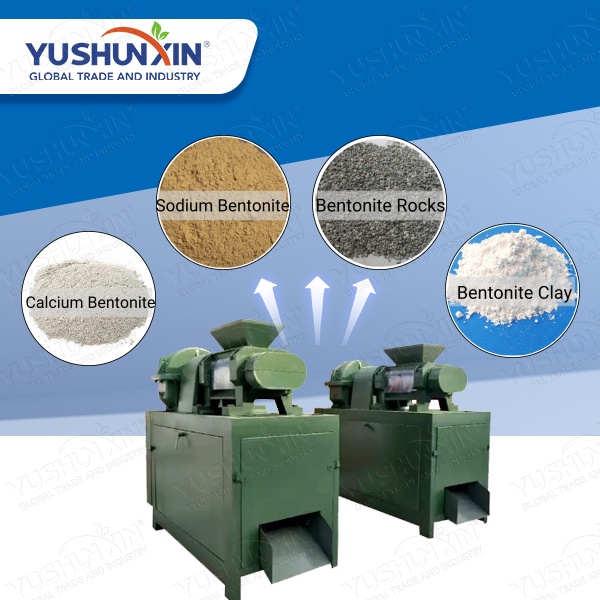
Bentonite processors often choose bentonite granules as a uniform form for foundry sand, drilling mud, cat litter, and fertilizer additives. A double roller extrusion granulator presses the powder between two rollers and forms compact pellets without a steam dryer. You can prepare the powder through crushing, mixing, extrusion, screening, and packing in one fertilizer manufacturing system. When you produce bentonite granules, you evaluate feed fineness, moisture, roller pressure, and granule strength.

bentonite granules

bentonite granules

Which moisture range helps bentonite granules form without sticking or crumbling?

A controlled moisture range helps bentonite granules system form without sticking or crumbling. Bentonite powder that is too dry creates dust and weak pellets, while powder that is too wet produces soft granules. You can add water in the mixer before the roller press or add dry material when the feedstock is too moist. A horizontal mixer distributes the moisture evenly, so the extrusion process stays stable. This step protects the fertilizer machinery and improves the fertilizer manufacturing process.

How does a bentonite granules line turn powder into pellets and prepare them for packing?

A bentonite granules line turns powder into pellets by feeding the material between two rotating rollers, which compress it into dense sheets or shaped granules. You can then screen the product and send oversized material back to the crusher. Organic fertilizer extrusion technology follows the same dry pressing principle, so the layout stays simple and does not require a large drying section. The finished bentonite granules move to a packing machine for bags or bulk containers.

Which crusher and mixer preparation improve bentonite granule uniformity?

A chain crusher and a horizontal mixer improve bentonite granule uniformity before the roller press. You can crush hard bentonite lumps to a small size, then mix the powder with water or a binder until the material reaches a consistent state. The roller press then applies even pressure and forms pellets with a stable shape. You can compare these preparation steps with the general principles of organic fertilizer processing when you plan a low-moisture granulation line. This sequence supports continuous fertilizer extrusion line operation.

Which packing options suit bentonite granules after screening?

After screening, bentonite granules can move to a single-bucket packing scale for small batches or a full automatic packing line for high output. You can choose bag sizes according to the customer requirement and seal the packages for storage. A rotary dryer can remove residual moisture when the granules need a lower final water level. This packing stage keeps the fertilizer processing plant efficient and reduces manual transfer.

To summarize, bentonite powder becomes uniform granules through crushing, mixing, dry roller pressing, screening, and packing. This dry method also reduces water use and shortens the material path before final packaging. You can match the roller press and packing machine to the required output and moisture level. A fertilizer machinery manufacturer can help you configure the bentonite granulation system. Yushunxin provides this bentonite granulation equipment for powder processors. If you have interests, you can learn more about https://www.extruder-granulator.com/product/bentonite-granulator

How Much Does a 2 T/H Double Roller Fertilizer Granulator Cost for a Small NPK Plant?

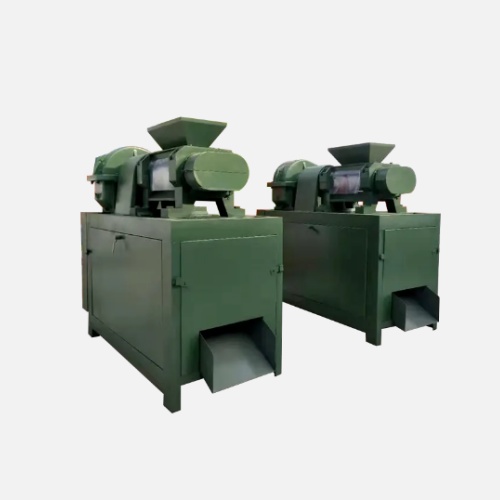
A 2 t/h double roller fertilizer granulator helps a small NPK plant form powder into dense granules without a drying stage. The machine uses two rollers to press urea, ammonium sulfate, potassium chloride, and phosphate powder into compacted sheets, then breaks the sheets into uniform particles. Your team can run several units together when the market requires higher output. This dry route keeps the fertilizer production line compact and lowers energy use.

2 t/h double roller fertilizer granulator

2 t/h double roller fertilizer granulator

How does a 2 t/h double roller fertilizer granulator reduce production cost for a small NPK plant?

The dry granulation process removes the need for a dryer and a cooler, so your plant saves energy and floor space. A single granulator can produce about 1.5 to 2.5 tons per hour, and plant owners can operate several machines together for a larger line. Wear-resistant roller skins reduce the frequency of roller replacement and keep maintenance costs predictable. Because the equipment works at normal temperature, your workers can package the granules soon after they leave the screen. This design helps a 2 t/h double roller fertilizer granulator system keep both operating and engineering costs within a manageable range.

How does the double roller granulator form uniform granules from NPK powder?

The feed hopper sends powder between two counter-rotating rollers, and the rollers press the material into a dense sheet. A crushing module then breaks the sheet into pieces, and a screen separates the target particle size from fine powder. The fine material returns to the feed, so your plant wastes less raw material. The finished granules have an oblate shape and a consistent size range that suits blending and packaging. This fertilizer extrusion technology gives a 2 t/h double roller fertilizer granulator line a continuous path from raw powder to finished granules.

Which supporting machines complete a small NPK fertilizer manufacturing system?

You can connect a crusher, a mixer, a bucket elevator, a screening machine, and a packaging machine to the granulator. The crusher prepares lumpy raw material, and the mixer blends the NPK components before they enter the hopper. A bucket elevator moves the powder without spilling it, while the screen returns fine particles to the feed. The packaging machine fills bags at a steady rate and keeps the final product ready for storage. This arrangement gives your fertilizer machinery a complete flow for a small or medium plant. You can also review organic fertilizer extrusion technology to compare a dry granulation line in a working installation.

How can plant owners evaluate fertilizer production budget without relying on vague estimates?

You can compare roller size, motor power, output per hour, and the number of machines required for your target capacity. A clear equipment list helps your team estimate labor, power, and spare parts before the project begins. You can also plan expansion by adding more granulators in parallel instead of changing the whole building. For background on organic nutrient sources, you can read the organic fertilizer reference. A fertilizer machinery manufacturer can provide process drawings and machine specifications that fit your site and daily output.

Yushunxin supplies double roller granulators and supporting equipment for NPK and compound fertilizer production. If your team has interest in the machine, you can learn more about https://www.extruder-granulator.com/product/2t-h-double-roller-fertilizer-granulator.

How to Budget a Fertilizer Blending Plant Without Overbuilding

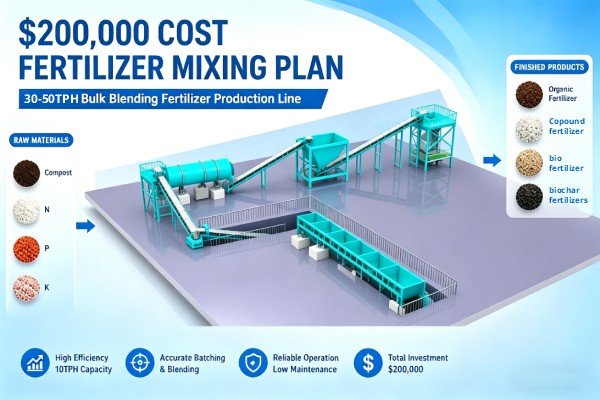
An equipment quotation becomes useful when every supplier prices the same production scope. A clear fertilizer blending plant cost guide connects capacity, raw-material form, automation and packaging with the machines included in the offer. The target page gives an indicative equipment range of $30,000–$600,000 for plants from 2 to 100 TPH, while the final figure depends on the selected process.

What Does the Equipment Price Cover?

A basic BB fertilizer line usually includes raw-material bins, an automatic batching system, conveyors, a blender, temporary storage and a packing machine. Confirm whether the quoted BB fertilizer equipment investment range also covers electrical controls, dust collection, spare parts, installation and commissioning.

Raw materials such as DAP, MOP and urea also influence the design. Granule sizes and bulk densities need reasonable compatibility so that the formula remains uniform during blending, storage and bagging.

When Does Granulation Change the Budget?

BB fertilizer production blends finished granules in preset proportions. Its process can remain compact because it does not create new pellets. The target page lists $30,000–$250,000 for granular BB blending configurations.

$20000 cost NPK BB fertilizer production solution

Powdered materials require a different route when the final product needs granulation. Crushing, batching, mixing, granulating, drying, cooling and screening may enter the equipment list. Compare the complete blending versus granulation investment before choosing a configuration; the page places blended-fertilizer granulation systems at $50,000–$500,000.

How Do Capacity and Automation Affect Cost?

A 2–100 TPH blending plant budget needs balanced capacities across batching, mixing and packing. Oversizing only the blender creates idle equipment, while an undersized packing section can restrict the whole line.

For a fixed-capacity reference, a 10 TPH BB fertilizer factory is presented with automatic batching, belt conveying, drum mixing, a cache bin and bagging. Its published equipment estimate is $70,000–$80,000. Automation level, site layout and construction method can still change the project total.

What Creates a Comparable Quotation?

Prepare these details for a custom fertilizer plant quotation:

  • Raw materials, particle sizes and formula
  • Required output and daily operating hours
  • Bag weights and packaging speed
  • Workshop dimensions and feeding method
  • Voltage, automation level and steel preference
  • Required installation and technical services

Ask suppliers to separate equipment, freight, installation, civil works and operating costs. You can review the complete cost plan and request a configuration based on your production data:

https://www.mixedfertilizermachines.com/products/fertilizer-blending-plant-cost/